

Portugal is a Must for Wine and Food Lovers
I recently took a trip to Portugal with my wife and friends, and it was one of our best trips yet! We met friendly people, were awed by the scenery, enjoyed amazing food, and tasted so many fantastic wines and ports. Whether we relaxed poolside in the Douro Valley or walked around the cities, I enjoyed Portugal’s wine, food, and scenery even more than anticipated.
Porto was first on the list. It is a charming city, smaller than Lisbon but no less spirited or flavorful. Just across the river in Vila Nova de Gaia, you will find many port cellar houses. Porto sits just west of the Douro wine region. So, winemakers still send port barrels downriver to these cellars to age. One afternoon, we walked across the Ponte Luís I Bridge, down to the riverside, and enjoyed a port tasting at Quinta do Noval. My wife and I had the tasting that included a 40-year-old tawny port.
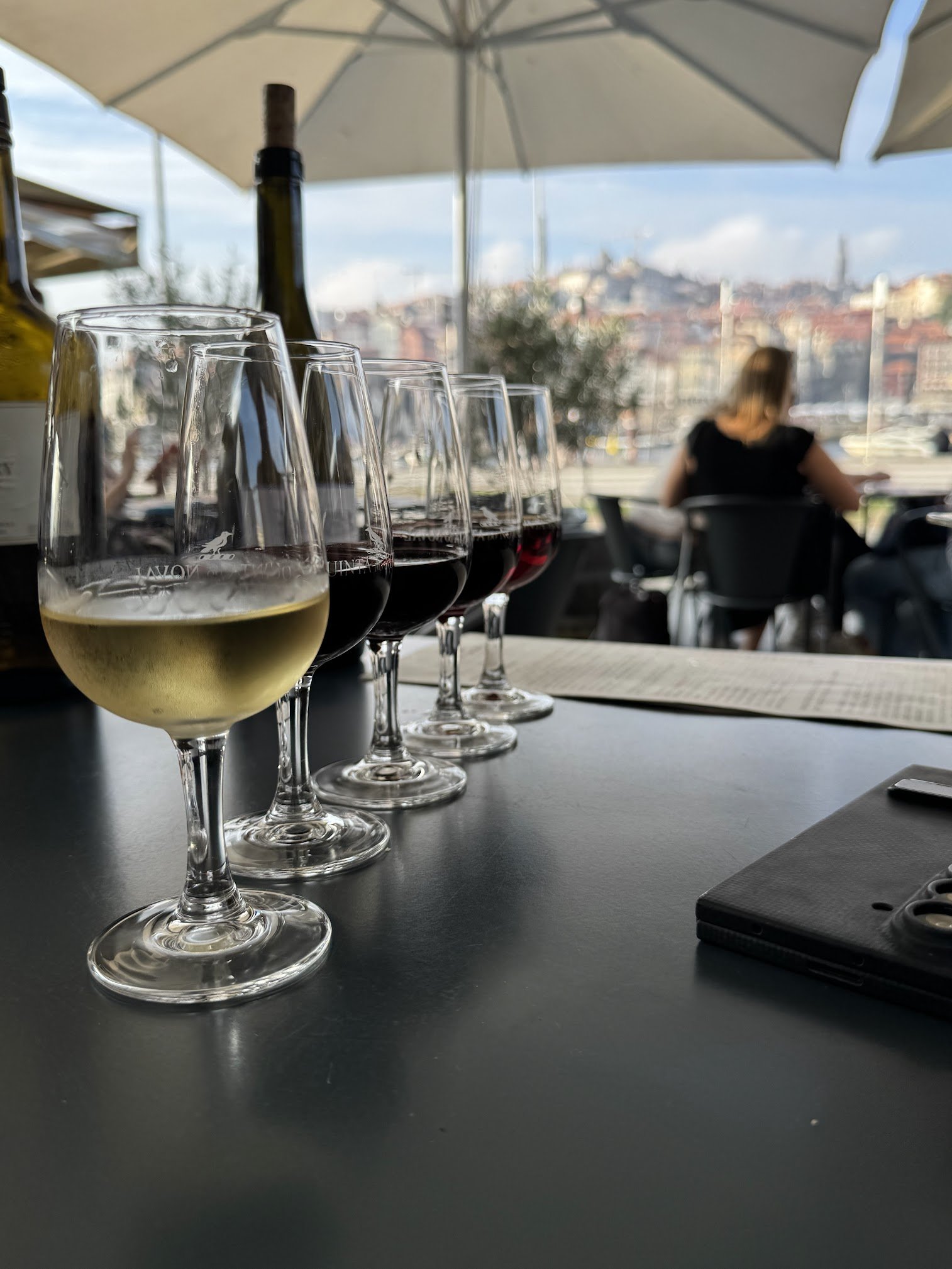
It started with an extra dry white port, then moved to a late-bottled vintage (LBV), a 2003 vintage ruby, and finished with a tawny reserve and a 40-year-old tawny port.
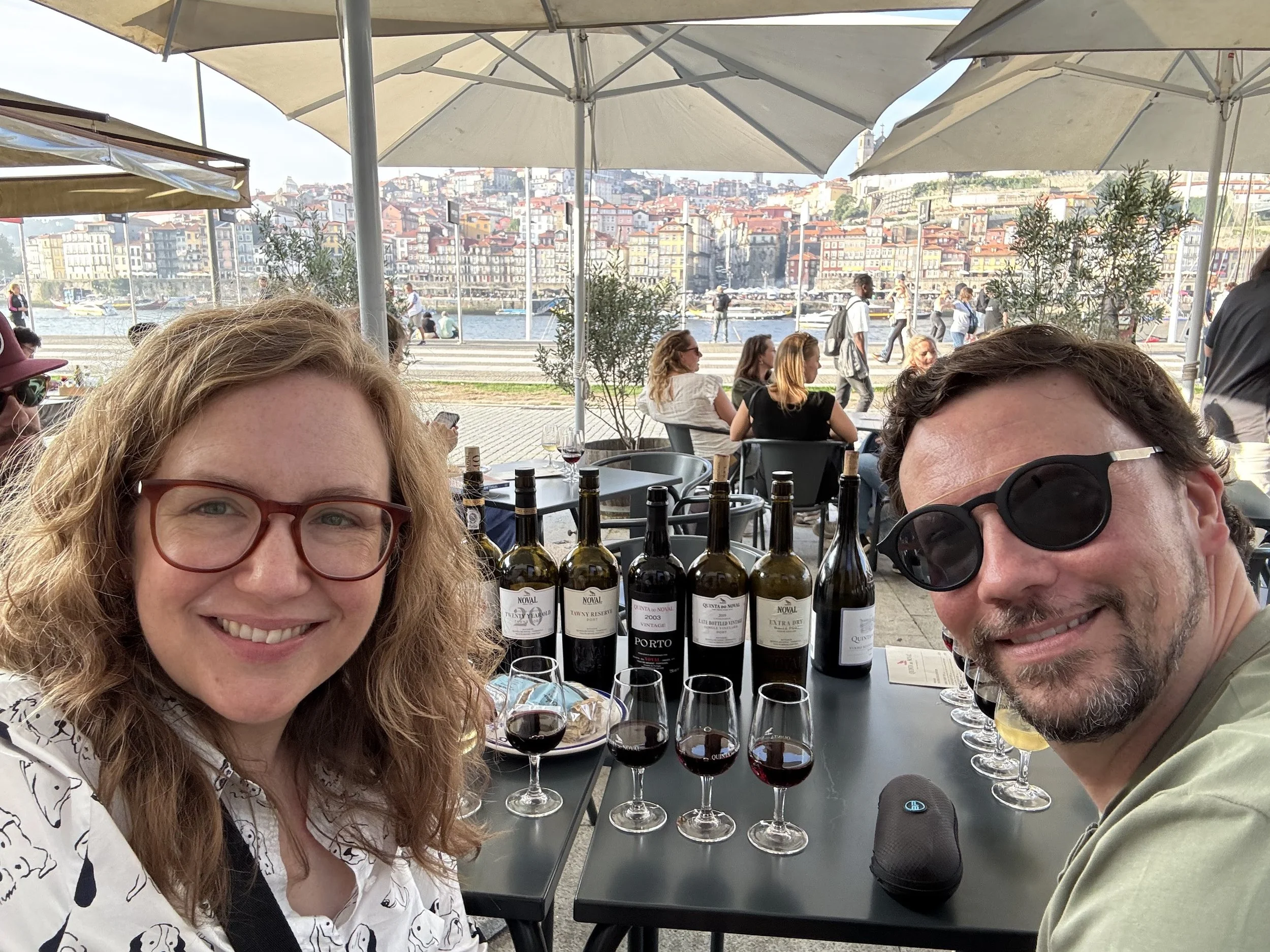
This was my first time trying a white port. It leaned heavily on green apple and pear notes. It was sweet, and I compared it to the taste of applesauce. The ruby was a bit earthy and leathery on the nose, but it tasted like a very ripe black plum. The tawny reserve brought me back to my previous experience with port. Dried fruit and a bit of caramel. Finally, the 40-year-old port was up! Again, I got a leathery note on the nose; the palate was intense dried fruit with maple syrup, and the finish was long, with an almost plum-skin note at the end. Overall, I was surprised by the earthy, leathery nose the ports had. It was also striking how the aging intensified the dried fruit, sweetness, and tannins. I also learned that ruby port tends to be less sweet and brings in some earthy notes.
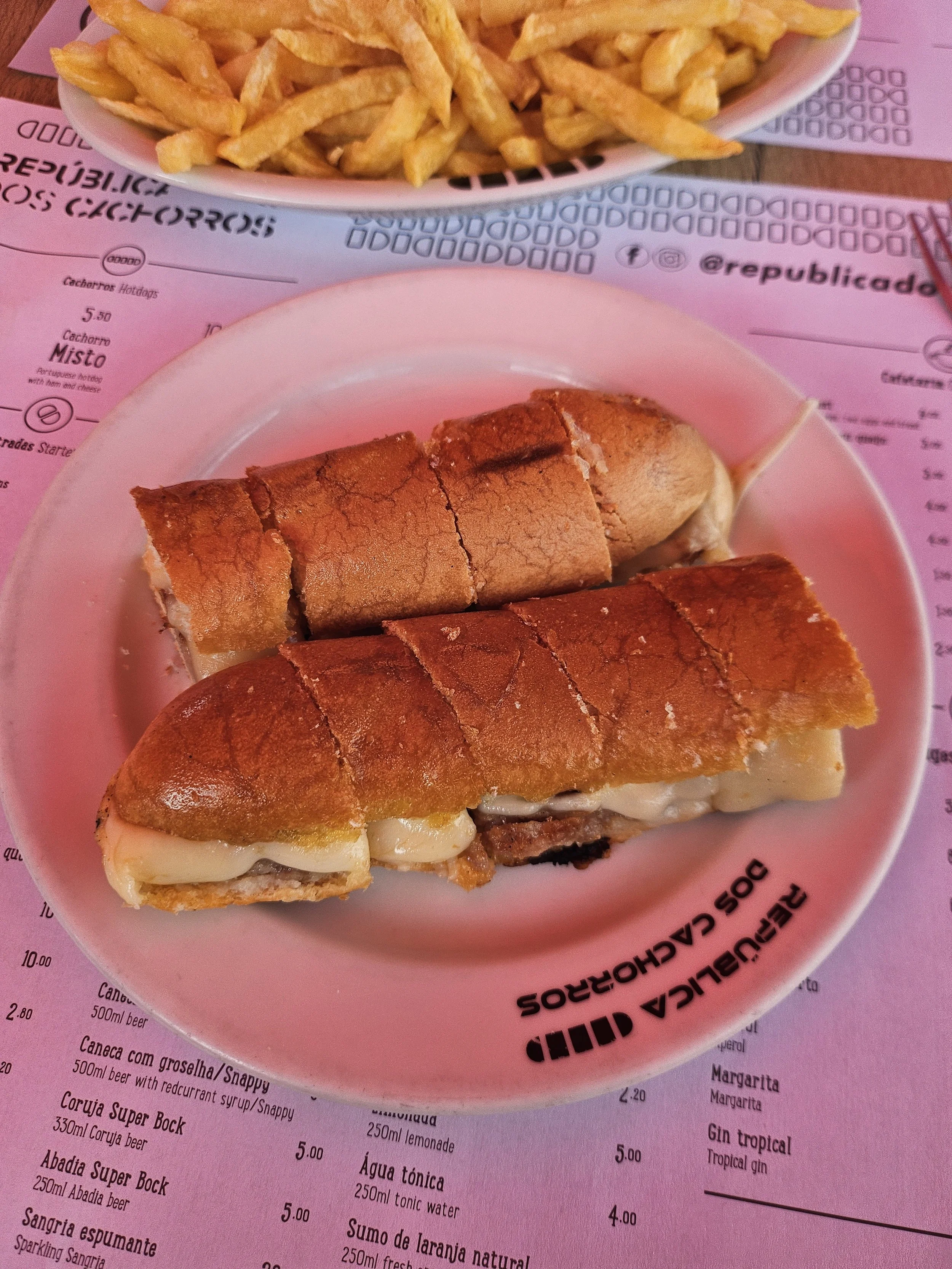
We also discovered amazing food in Porto on our own and through our food tour guide, The Fabulist Maria. She told us so much about the city and the food culture. We enjoyed a cachorrinho, a “hot dog”-type sandwich. It translates to “little dog”, and it’s so much better than what we in America know as a hot dog. It’s linguiça sausage with cheese served on delicious bread, crispy on the outside and fluffy in the middle. It’s often served with piri piri (hot sauce) or a francesinha sauce.
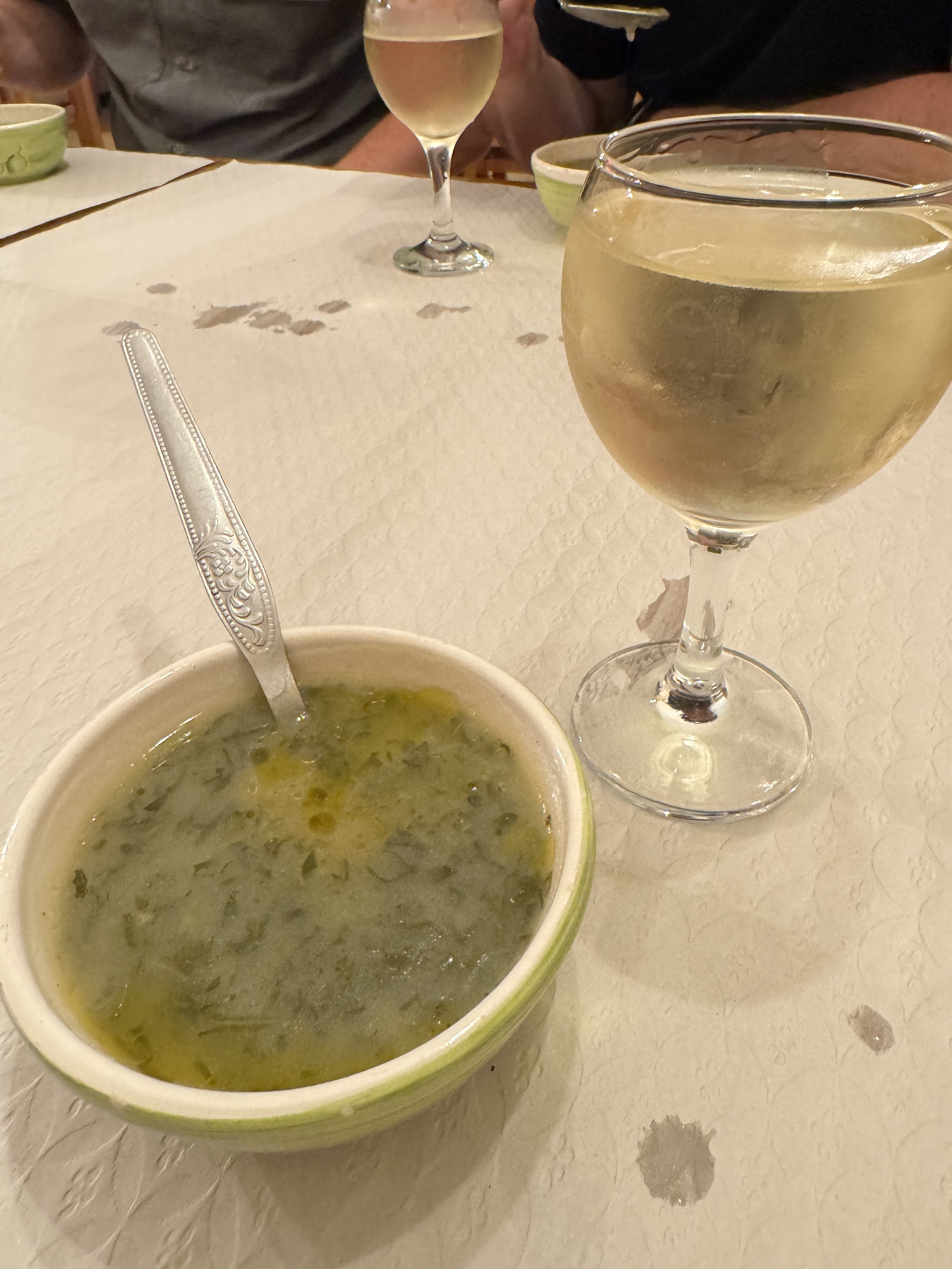
We followed that up by going to a traditional tavern for a caldo verde soup and a bifana. The bifana is a Portuguese sandwich made with sliced or chunked pork marinated in a garlic, cumin, and paprika sauce. They will often use white wine or beer in the marinade. They serve the pork on a soft roll. It’s absolutely delicious, and I could eat one every day. No one in the group got a picture because we were too busy enjoying it. Side note. The bread in Portugal? 5 stars. Maria also had us try some Vinho Verde and explained how prevalent it is, as Porto sits in the Vinho Verde region.
Vinho Verde wine was a perfect counterpoint to the pork. It’s acidic, light, a bit fizzy, with notes of citrus and apple. Maria also told us about Mateus, an iconic Portuguese rosé that Queen Elizabeth II and Jimi Hendrix loved. We continued drinking these two wines for the rest of the trip. Mateus is not too sweet or too dry, and it has a bit of fizz.
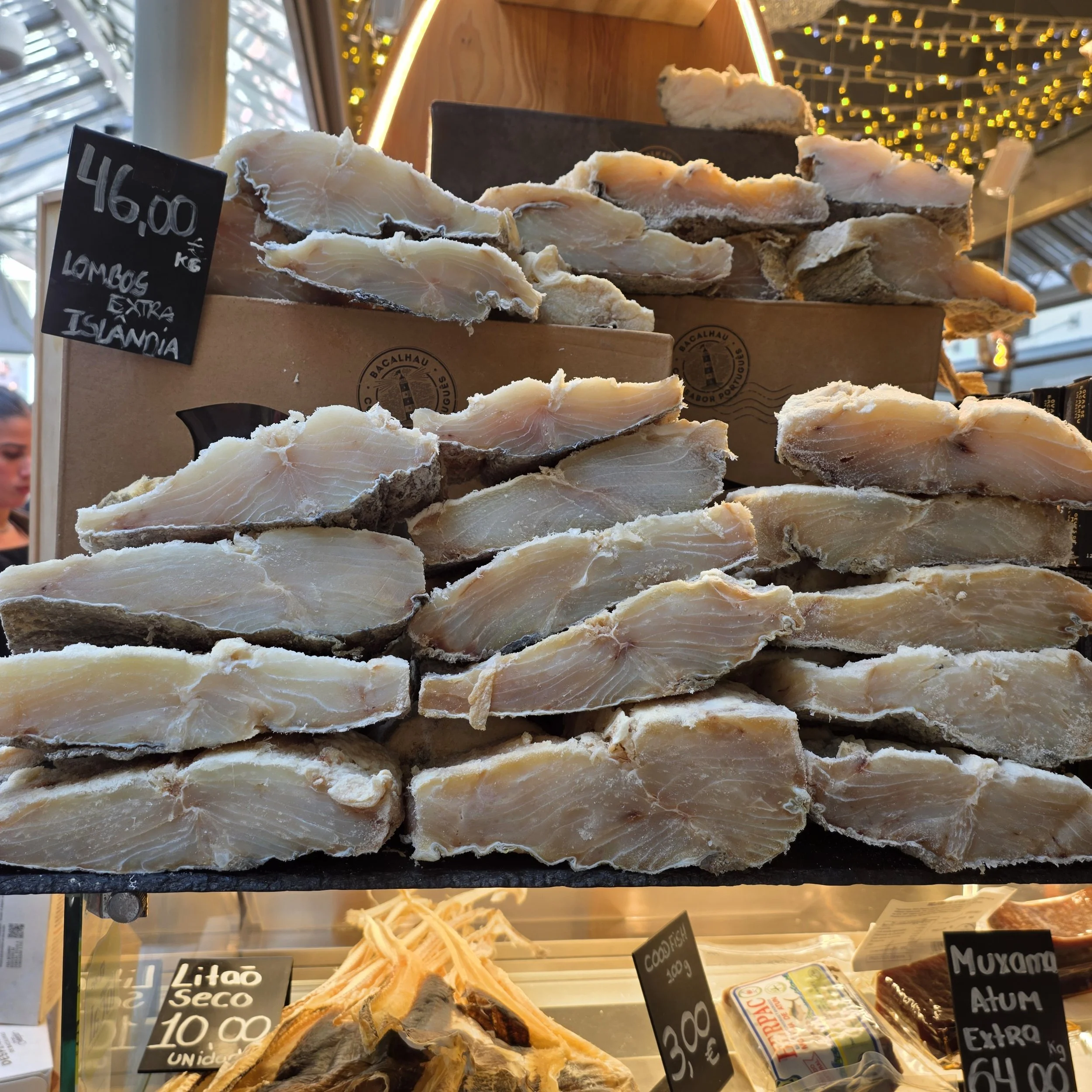
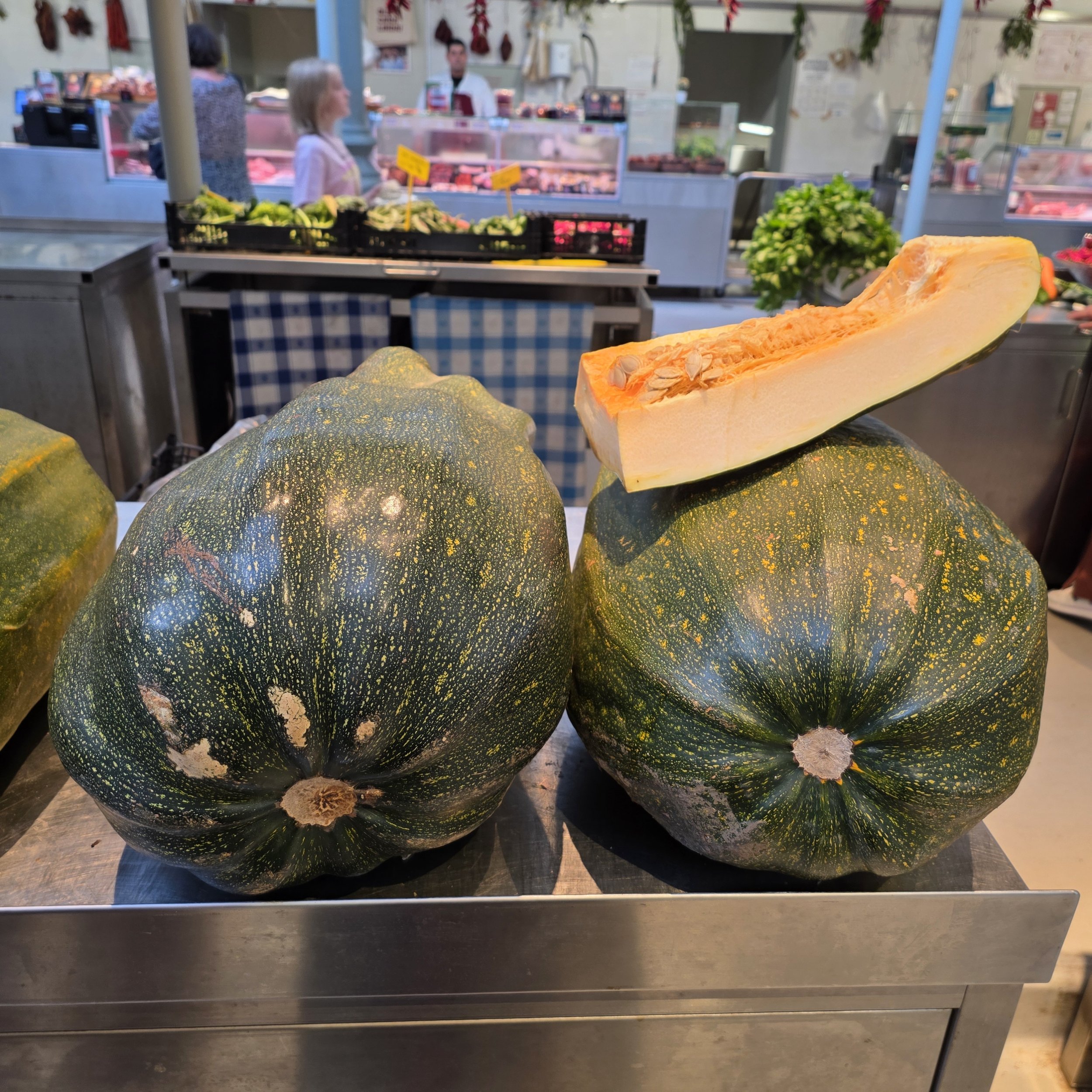
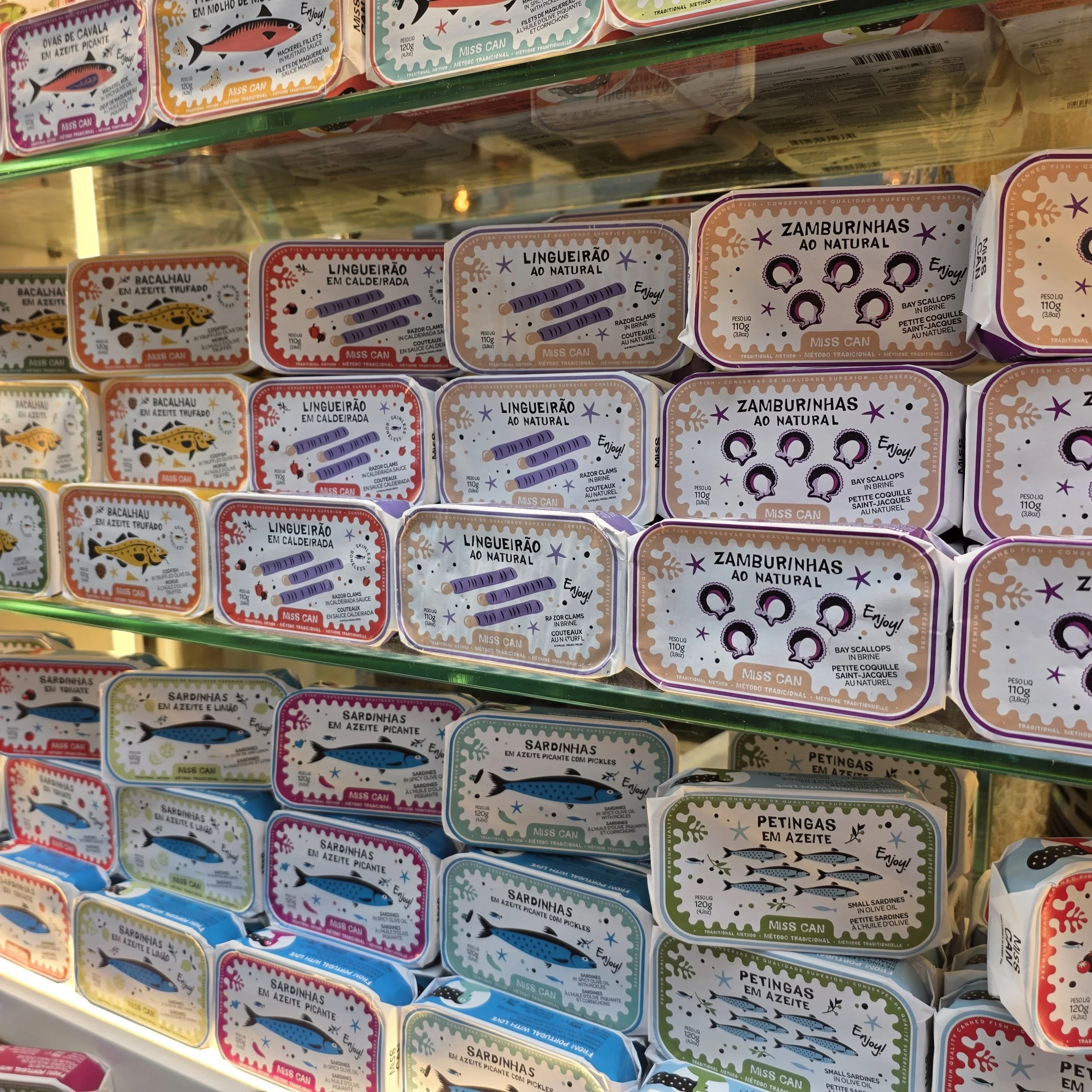
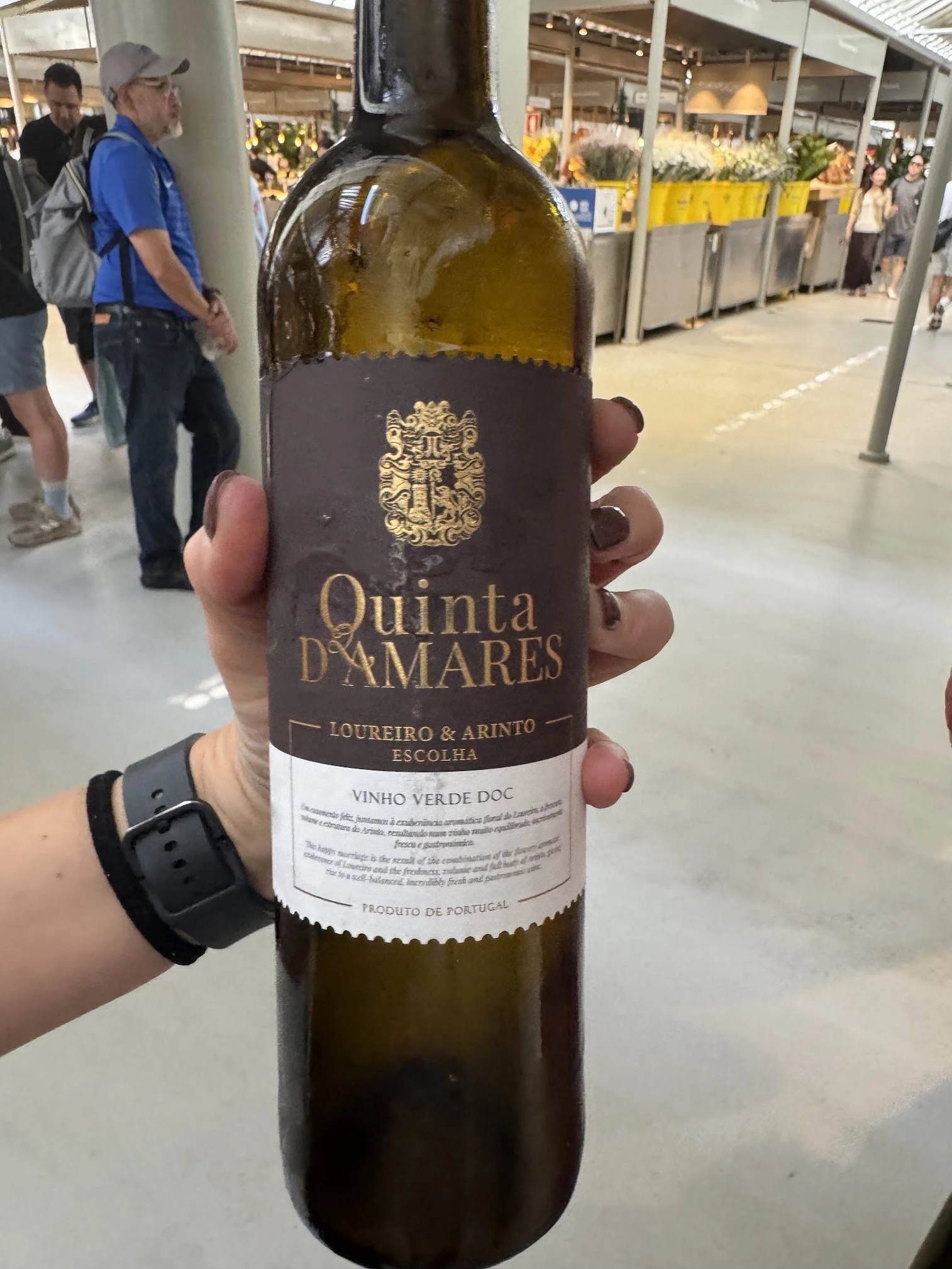
The Bolhão Market is also a must-visit and was a highlight on our last day in Porto. You can buy a bottle of wine and drink throughout the market. Just bring your glass back when you’re finished. The market featured fresh produce, piri piri sauces, pastries, spices, sardines, salted cod, and plenty of food to order. We had homemade pasta and a bifana while enjoying yet more Vinho Verde 🙂. Oh, and we of course enjoyed many pasteis de nata in Porto and throughout Portugual. The infamous tarts with a flaky, buttery crust and an egg custard inside.
After Porto, we traveled to the Douro Valley. Home to the Douro River, the landscape is breathtaking, with steep, lush green hills and vineyards throughout the valley. We stayed at a gorgeous villa just outside of Cinfães. This was a perfect interlude between cities, and we had the chance to take in more valley views at Quinta Barqueiros D'Ouro Winery. This family-run winery even offers Airbnbs on the property. Vasco, one of the sons, greeted us warmly and also introduced us to their seven-month-old golden retriever, named Pipo (Portuguese for “barrel”). They feature their Salta Cão branded wines, which we learned means “jumping dog” and is a nod to the stone steps wineries would build to make carrying the grapes up the hills faster instead of having to wind through the vineyards.
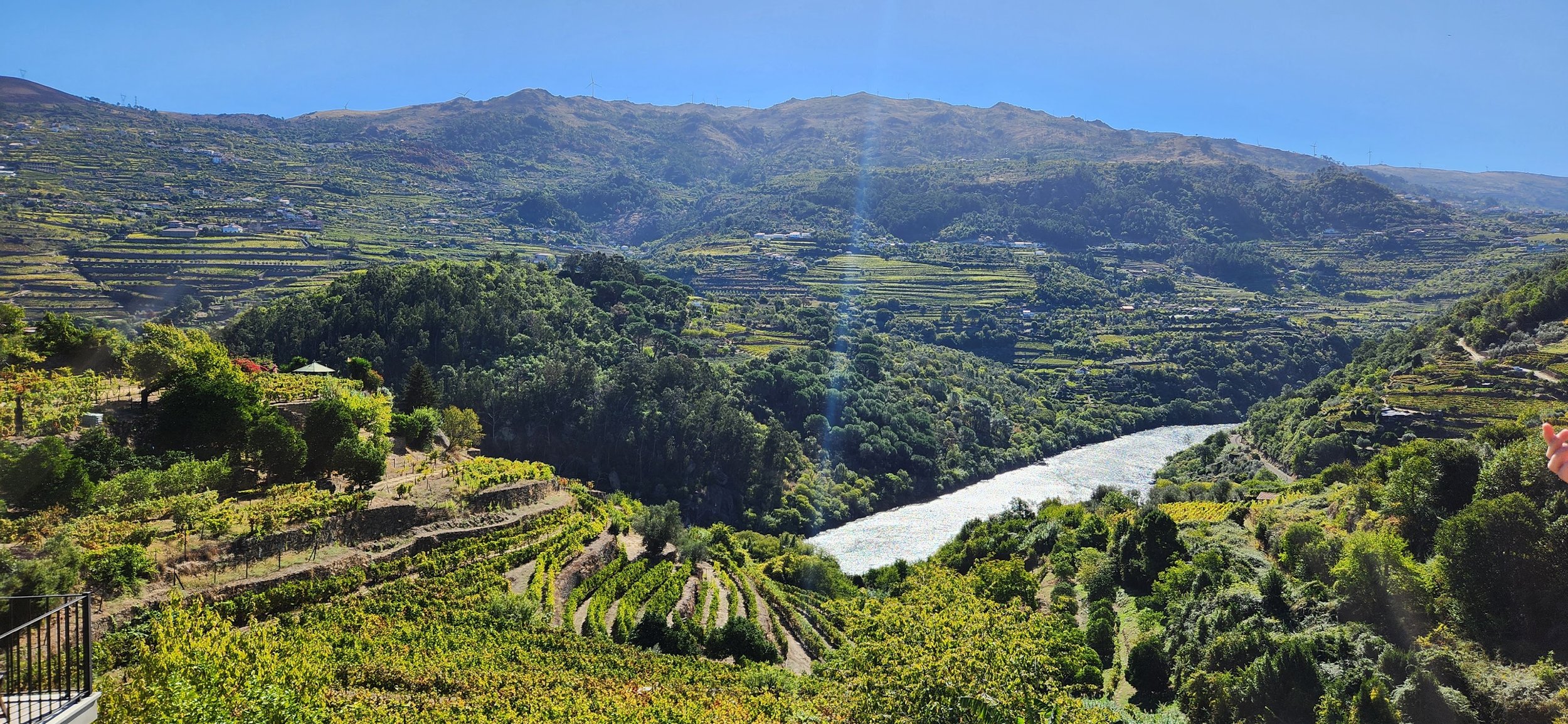
The beautiful view from the back of the winery. Vineyards below with the Douro River flowing in the background.
We went with their Exclusive Tasting/tour, which featured a night-harvested white, an oaky red, a refreshing rosé, a port straight from the barrel, and more. Vasco also showed us where they produce the wine, talked about the winery's history, and even showed us the old wine artifacts they found on the property. The night-harvested white was delicious. Vasco explained it’s made from the rare Folgasão grape and harvested overnight because of the heat near the end of August. I tasted light fruit, citrus, and high mineral content in the wine. I also enjoyed their Tinta Roriz Red (Oaky) wine. The Tinta Roriz grape is more commonly known as Tempranillo and is one of the region's oldest grapes. This wine had lots of dark stone fruit, tannins, and tobacco notes. I loved it, and I think it would pair well with a bourbon. A highlight was also drinking their port straight from the barrel. It was 12 years old, and the family is still debating whether or not to bottle it. The port hit all the right notes: dark, dried, and sweet fruit.
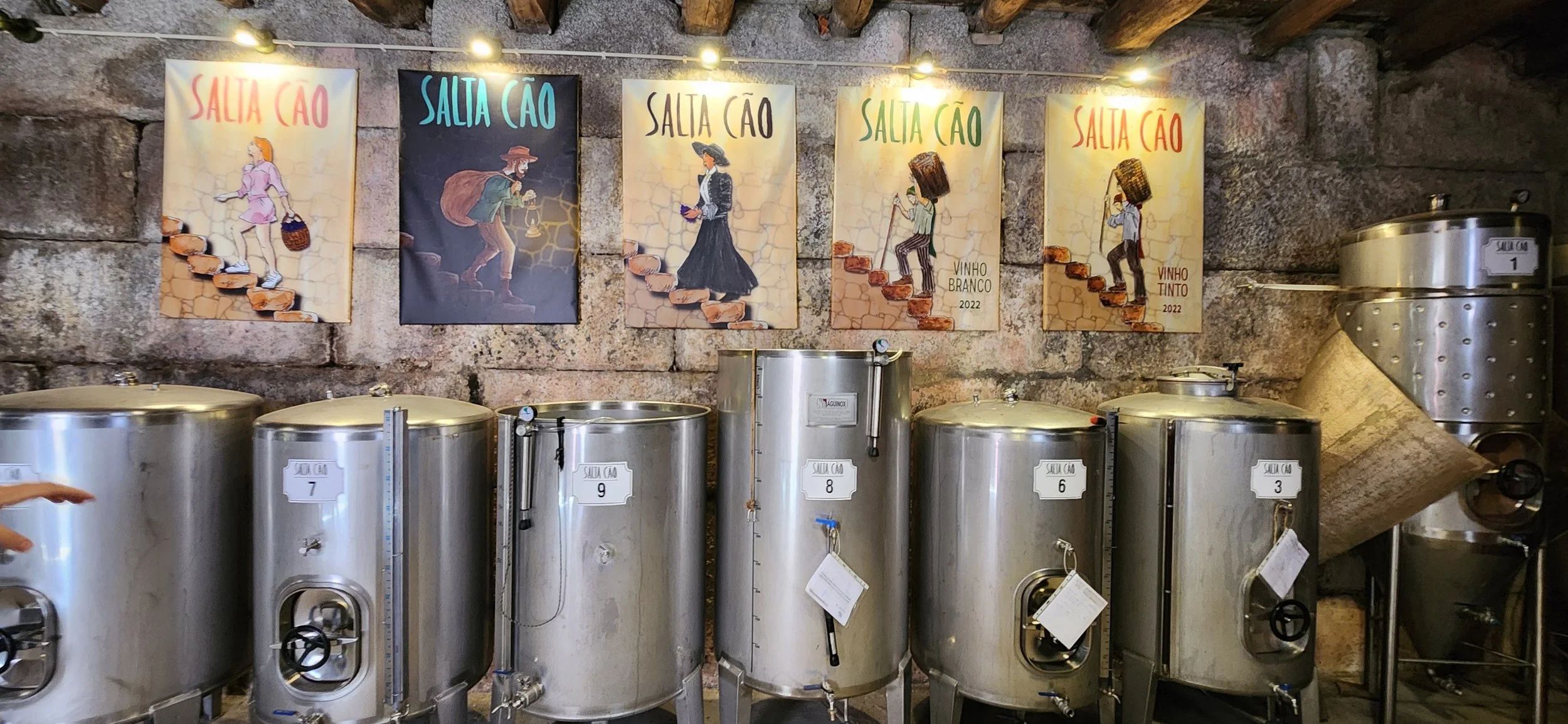
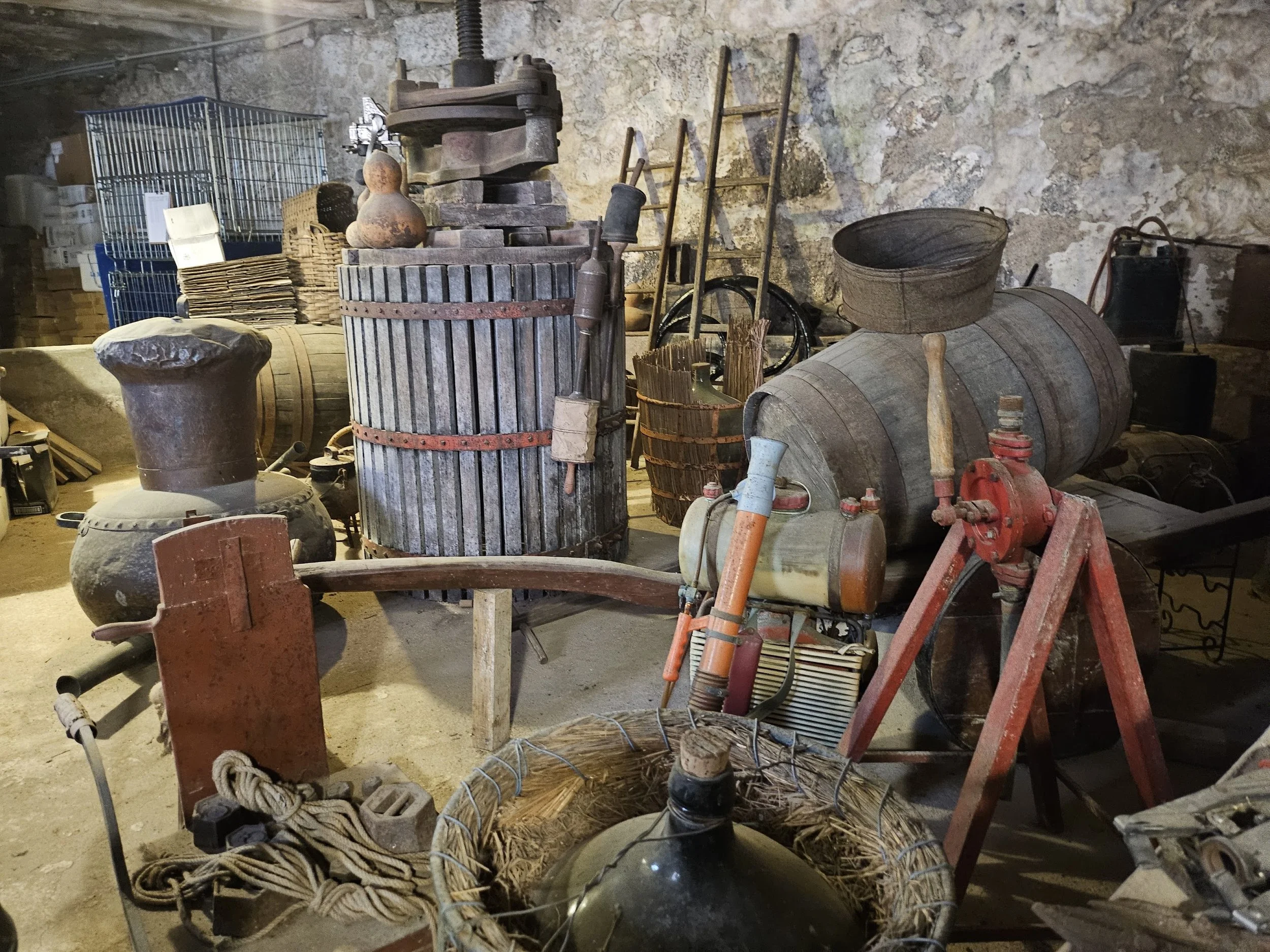
This was a special part of the trip, and I think I’ll soon have to ask my friends to help ship some more Salta Cão back to the States.
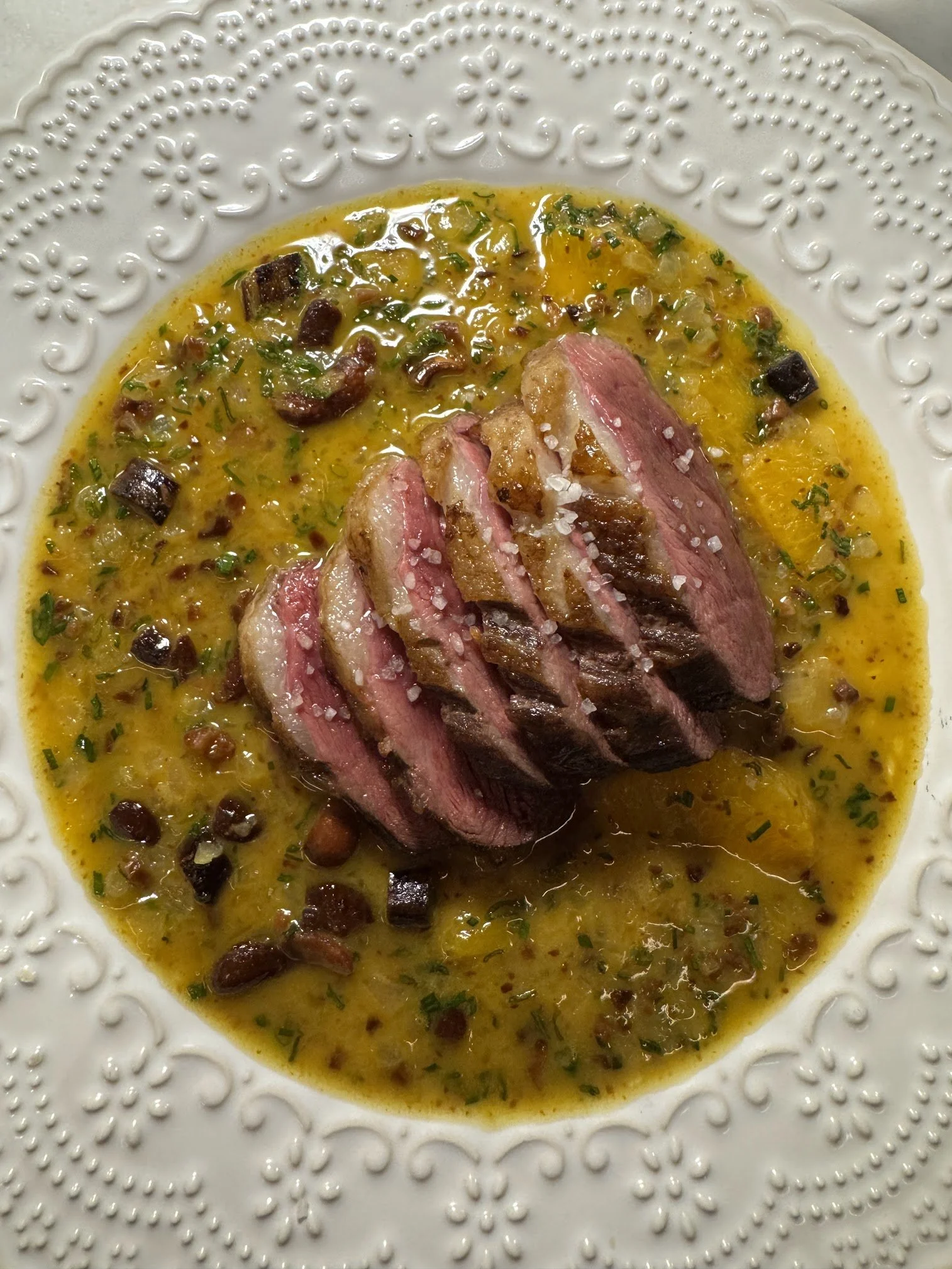
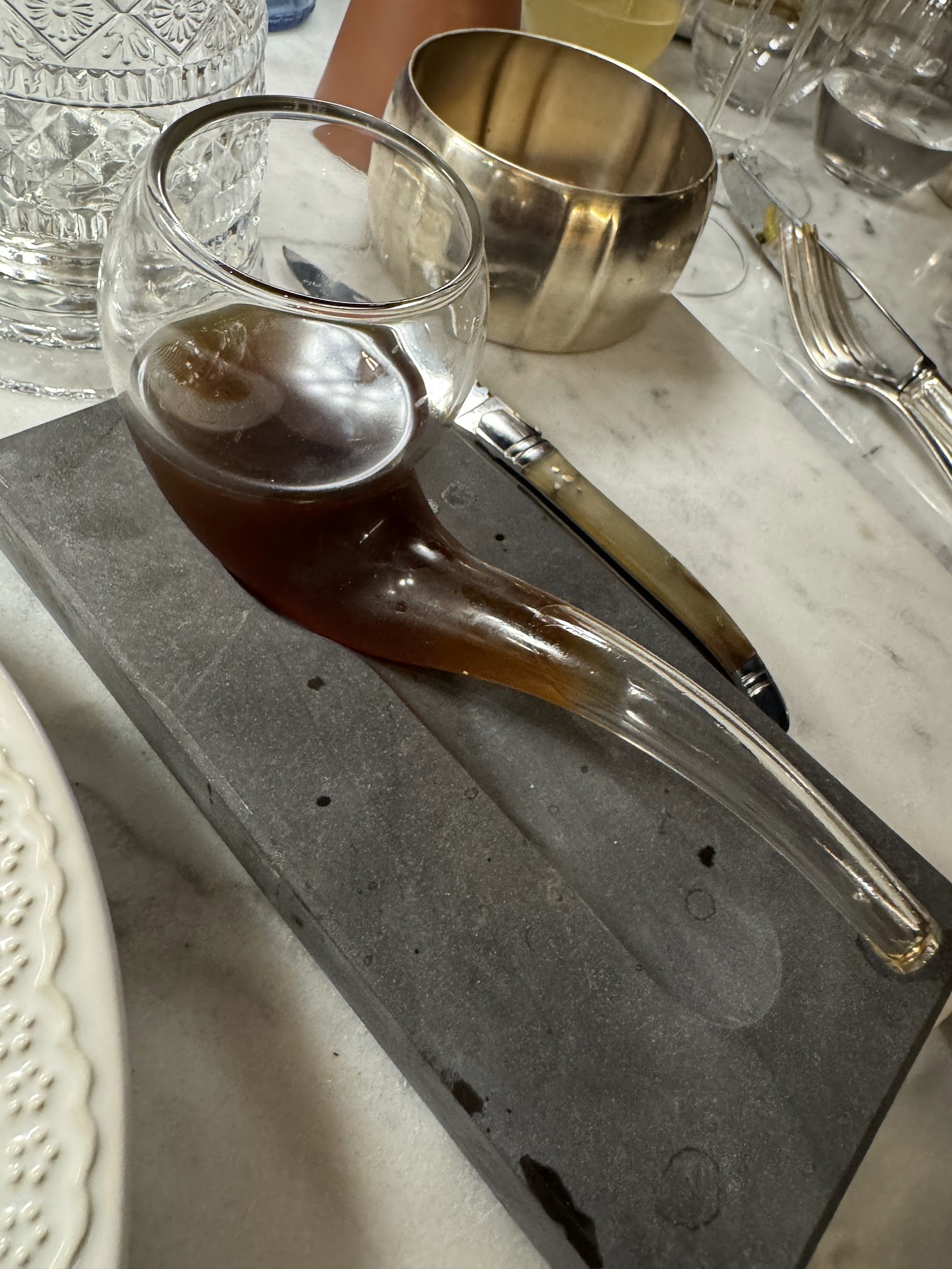
After some more relaxing, it was time to travel down to Lisbon. Lisbon is also a wonderful city full of history and great food. We enjoyed yet more cod, duck, seafood, and other dishes. One of our favorite spots was a Mozambican restaurant that featured amazing samosas. This was a chance to see firsthand how vast the Portuguese Empire once was and how different cultures have shaped the food and drink scene. We also tried a couple of wines from the Lisboa region, which features light, low-alcohol white wines and some full-bodied reds. I was missing whiskey at this point in the trip, so I decided to try a bourbon cocktail from a lovely restaurant called The Secret Gastrobar. The cocktail arrived in a glass pipe and reminded me of a smoky and sweet Old Fashioned. We enjoyed a picturesque view of the city from an open-air spot next to the kitchen. I had an amazing Duck à l’Orange. The orange wasn’t too sweet and tasted very fresh, and the toasted hazelnuts added a great texture and balance.
Portugal is a wonderful place. It’s much more of a wine-and-beer (go with Super Bock) culture than the States, and for good reason. With its full-bodied reds, light Vinho Verde, refreshing rosés, and historic port, Portugal is definitely a wine destination. I will definitely be on the lookout for more Portuguese wines and food in the future, and our whole group said they would happily return to Portugal. With so much great food, scenery, wine, and people, Portugal will keep growing as a travel destination.