

Why Does Wine Make Your Mouth Water?
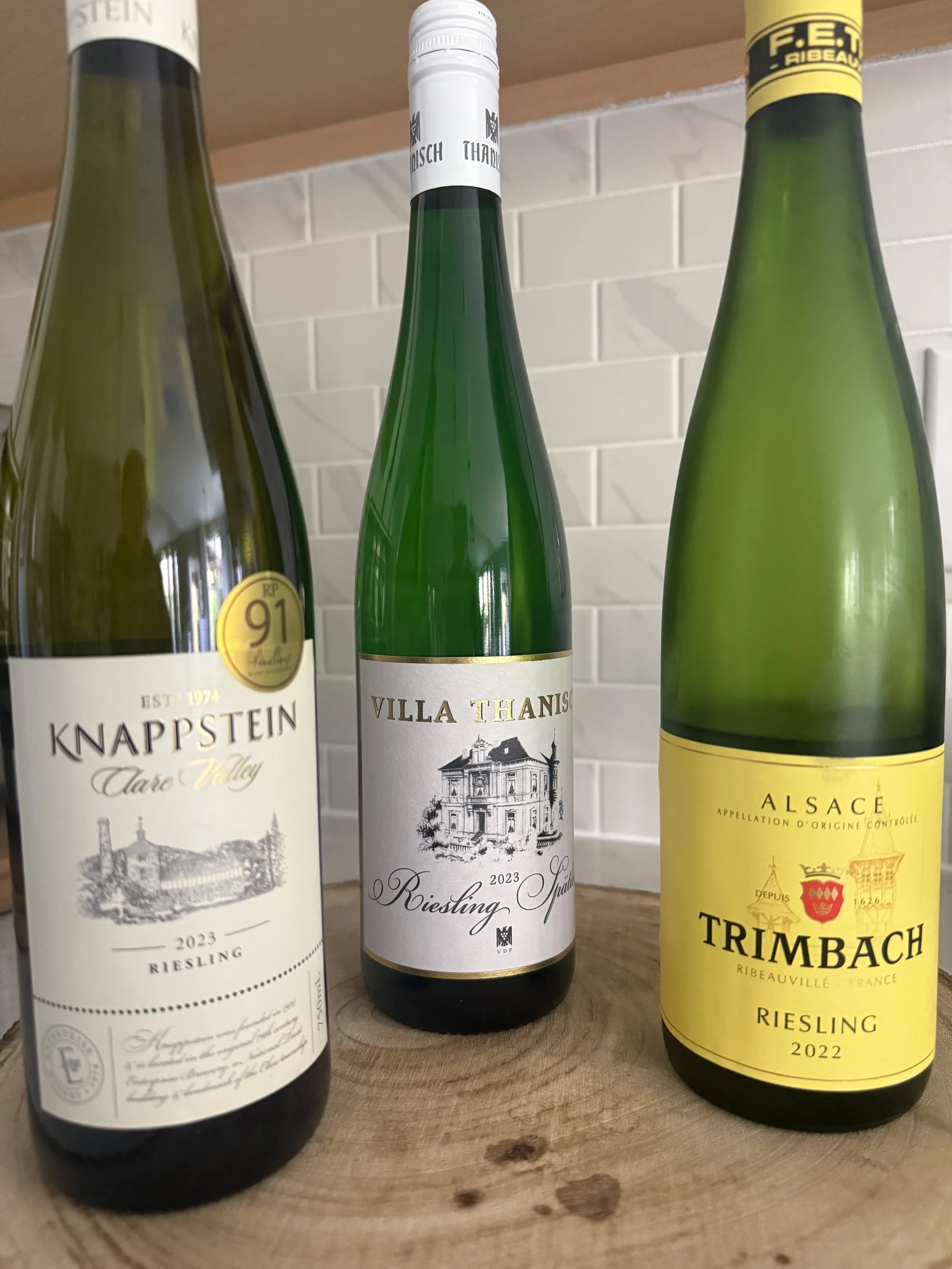
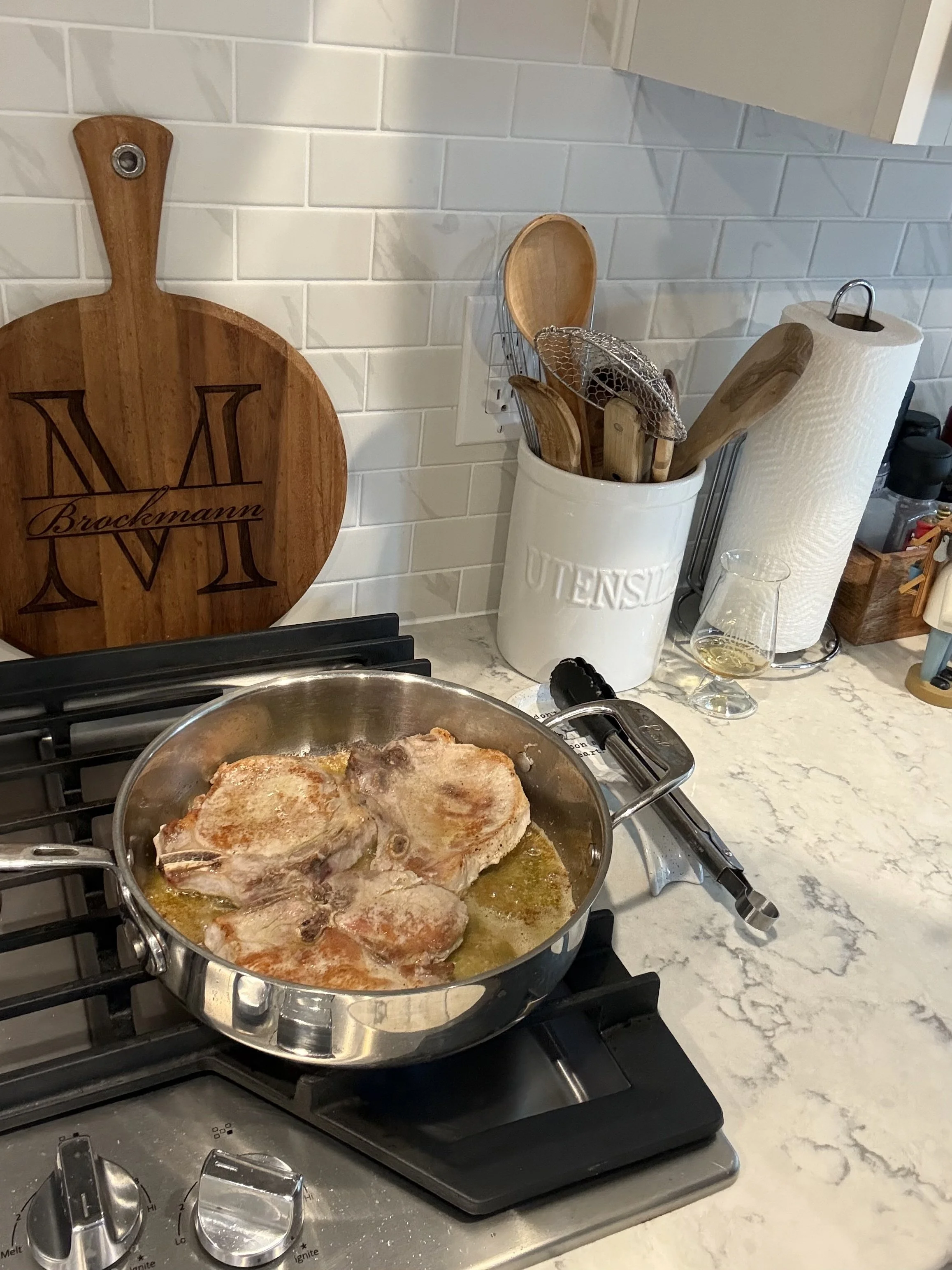
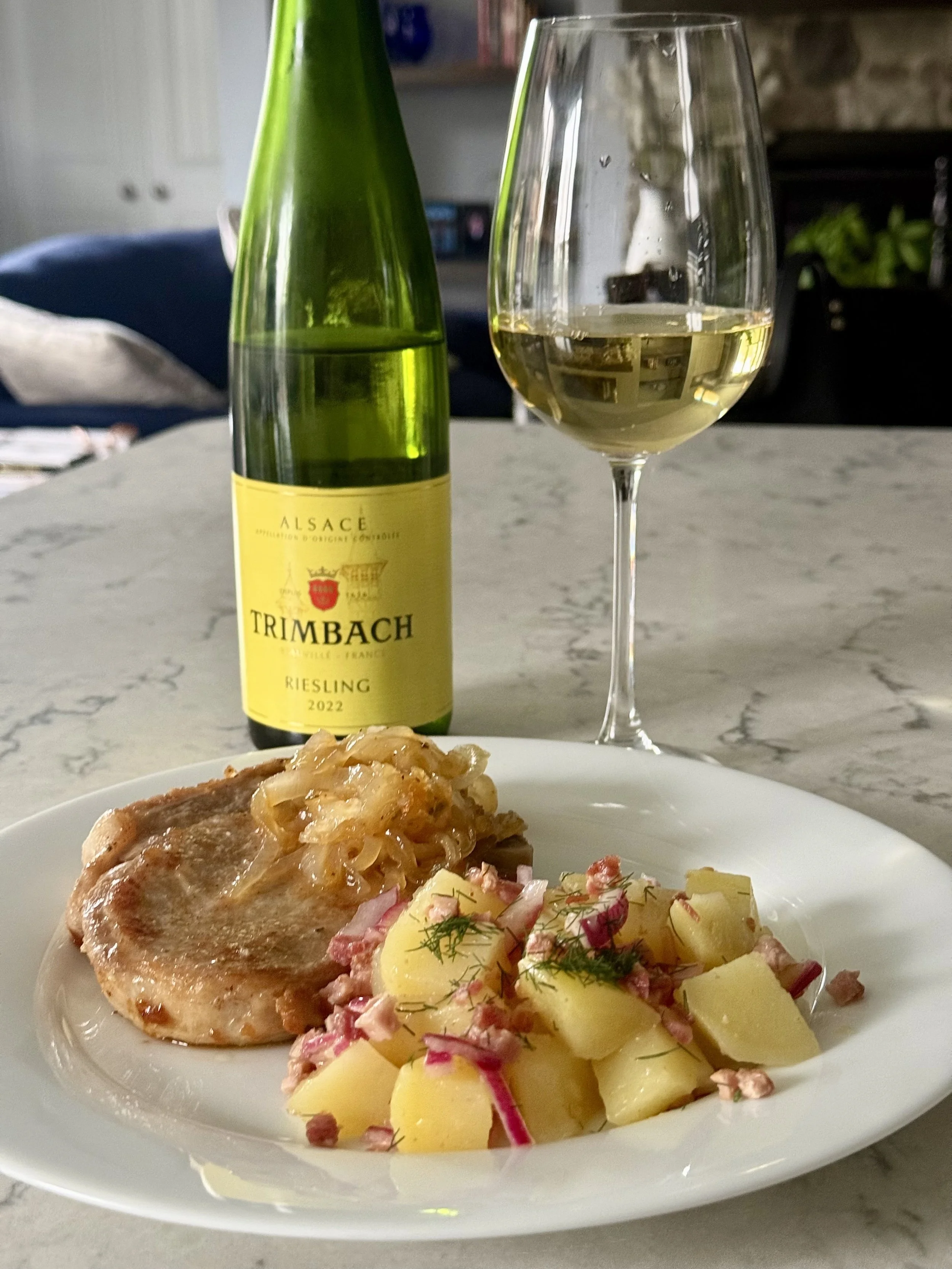
This past Saturday, dinner at my house was a little bit of an experiment. The menu included pork chops, warm pancetta potato salad, and homemade onion jam. And in my glass? A 2022 Trimbach Riesling from Alsace, France.
If you've always thought of Riesling as a sweet wine, you might be wondering why I'd pair it with a savory meal like this. But Riesling comes in a range of styles, from bone-dry to beautifully sweet. Trimbach is particularly known for its dry Rieslings, and this bottle brought something especially welcome to the dinner table. Acidity.
That Mouthwatering Feeling
Have you ever taken a sip of wine and noticed that your mouth immediately starts to water? That's acidity at work. Think about biting into a crisp green apple or squeezing fresh lemon over your food. That bright, refreshing sensation is similar to what acidity brings to wine.
All wines have acidity, but some have noticeably more than others. It's one of the characteristics that makes wine feel fresh and lively, not heavy or flat. And while we often focus on a wine's fruit flavors or aromas, acidity plays an equally important role in how we experience what's in our glass.
It All Starts in the Vineyard
Acidity doesn't begin in the winery; it starts with the grapes themselves. Grapes naturally contain acids, primarily tartaric and malic acid. Malic acid is also found in green apples, which helps explain that familiar mouthwatering sensation. As grapes ripen, their sugar levels increase while their acidity generally decreases. But how quickly that happens depends on several factors, including the grape variety, climate, and growing conditions.
Riesling, Sauvignon Blanc, Albariño, and Chenin Blanc are all known for producing wines with refreshing acidity. And it's not just white wines. Red grapes such as Pinot Noir and Sangiovese can also produce wines with noticeably high acidity.
And climate plays an equally important role. In cooler wine-growing regions, grapes generally retain more of their natural acidity as they ripen. In warmer regions, grapes typically lose acidity more quickly as they mature.
But climate isn't quite as simple as cool versus warm. Take Alsace, in northeastern France along the German border. The Vosges Mountains shelter the region from much of the rainfall coming from the west, creating relatively dry, sunny growing conditions. This lets grapes develop ripe flavors while varieties such as Riesling retain their characteristic acidity.
And here's where my 2022 Trimbach becomes particularly interesting. The 2022 growing season in Alsace was unusually warm and dry. Those conditions can accelerate ripening and make it harder to preserve acidity. Yet Riesling is a grape variety that can naturally retain refreshing acidity, even in warmer growing seasons.
It's a reminder that the grape variety matters just as much as the climate when it comes to what ends up in our glass.
A Tale of Two Hemispheres
Here's something you might not have considered: grapes aren't harvested at the same time around the world. In the Northern Hemisphere, where you'll find wine regions such as France, Germany, Italy, and California, harvest generally takes place between August and October.
Meanwhile, in the Southern Hemisphere, including Australia, New Zealand, Chile, and Argentina, harvest typically happens between February and April. That's because the growing seasons are reversed.
Even within the same hemisphere, harvest timing can vary considerably. Grapes grown in warmer regions often ripen earlier than those in cooler climates, and different grape varieties mature at different rates. But harvest timing isn't just about geography or climate; it also depends on what the winemaker is trying to create.
A winemaker looking for a crisp, refreshing wine may harvest earlier to preserve the grapes' natural acidity. Someone aiming for a richer, fuller-bodied style might allow the grapes to ripen longer, developing more sugar and different flavor characteristics along the way.
In some cases, winemakers intentionally leave grapes on the vine beyond the usual harvest period to produce certain styles of sweet wine. It's a balancing act between acidity, sugar, flavor development, and ultimately, the style of wine the winemaker wants to make.
Which brings us back to Saturday's Trimbach Riesling. Its refreshing acidity reflects the grape's natural characteristics, Alsace's growing conditions, and the choices involved in producing the finished wine.
Why Acidity Matters at the Dinner Table
Let's go back to Saturday's dinner. Between the pork chops, the pancetta in the warm potato salad, and the homemade onion jam, the plate had plenty going on. Rich, savory flavors with a touch of sweetness.
Enter the Riesling. Its bright acidity provided a refreshing contrast to the food's richness, while its fruit character complemented the meal's sweet and savory elements. Instead of competing with the food, the wine helped balance it.
Think of it as a little reset between bites. The dish’s richness remains, but the wine refreshes your palate, making the next bite as enjoyable as the first. That's one of my favorite things about a good food and wine pairing. Neither needs to steal the show. They simply make each other better. And while I chose a dry Riesling, remember that even sweeter styles can taste remarkably refreshing when balanced by high acidity.
Beyond Riesling
Riesling certainly isn't the only wine that brings refreshing acidity to the table. Sauvignon Blanc, with its bright citrus character, pairs well with goat cheese or dishes featuring fresh herbs. Albariño, particularly from Spain's Rías Baixas region, pairs naturally with seafood. And Chenin Blanc can offer lively acidity across a remarkable range of styles, from bone-dry to sweet.
And don't overlook sparkling wine. A crisp, dry sparkling wine can be surprisingly versatile with food, including fried or richer dishes where that refreshing acidity is especially welcome.
Next time you're choosing a wine for dinner, consider more than whether you prefer red or white. Think about the food's richness and whether a wine with refreshing acidity might bring the meal together.
A Little Curiosity Goes a Long Way
At Cork and Copper, we believe enjoying wine doesn't require memorizing grape varieties, regions, or technical terms. Sometimes, all it takes is paying attention to what happens when you take a sip, enjoy a bite, and take another sip.
Does the wine make your mouth water? Does it refresh your palate? Does the food change how the wine tastes? You might be surprised by what you discover.
If you'd like to recreate my Saturday dinner, we've put together recipes for the pork chops, warm pancetta potato salad, and homemade onion jam.
Get the recipe here and try the pairing for yourself.
Because sometimes the best way to understand wine is to enjoy it with a good meal.

