
Before the First Pour
At the beginning of the week, our table was covered with wine glasses, whiskey glasses, open bottles, tasting notes, and, perhaps a little strangely to anyone walking by, limestone water.
This wasn’t a Cork and Copper tasting. It was preparation for one.
When we started Cork and Copper, we knew we didn’t want to simply put a few good bottles on a table and call it an experience. The bottles need a reason to be there. The pairings need to make sense. And if we’re going to ask you to slow down, taste, compare, and be curious, we need to do the same long before you arrive.
So, that’s exactly what we did.
We looked. We smelled. We tasted. We compared. We went back for another sip. We talked about what we noticed, debated occasionally, changed our minds, and shared stories along the way.
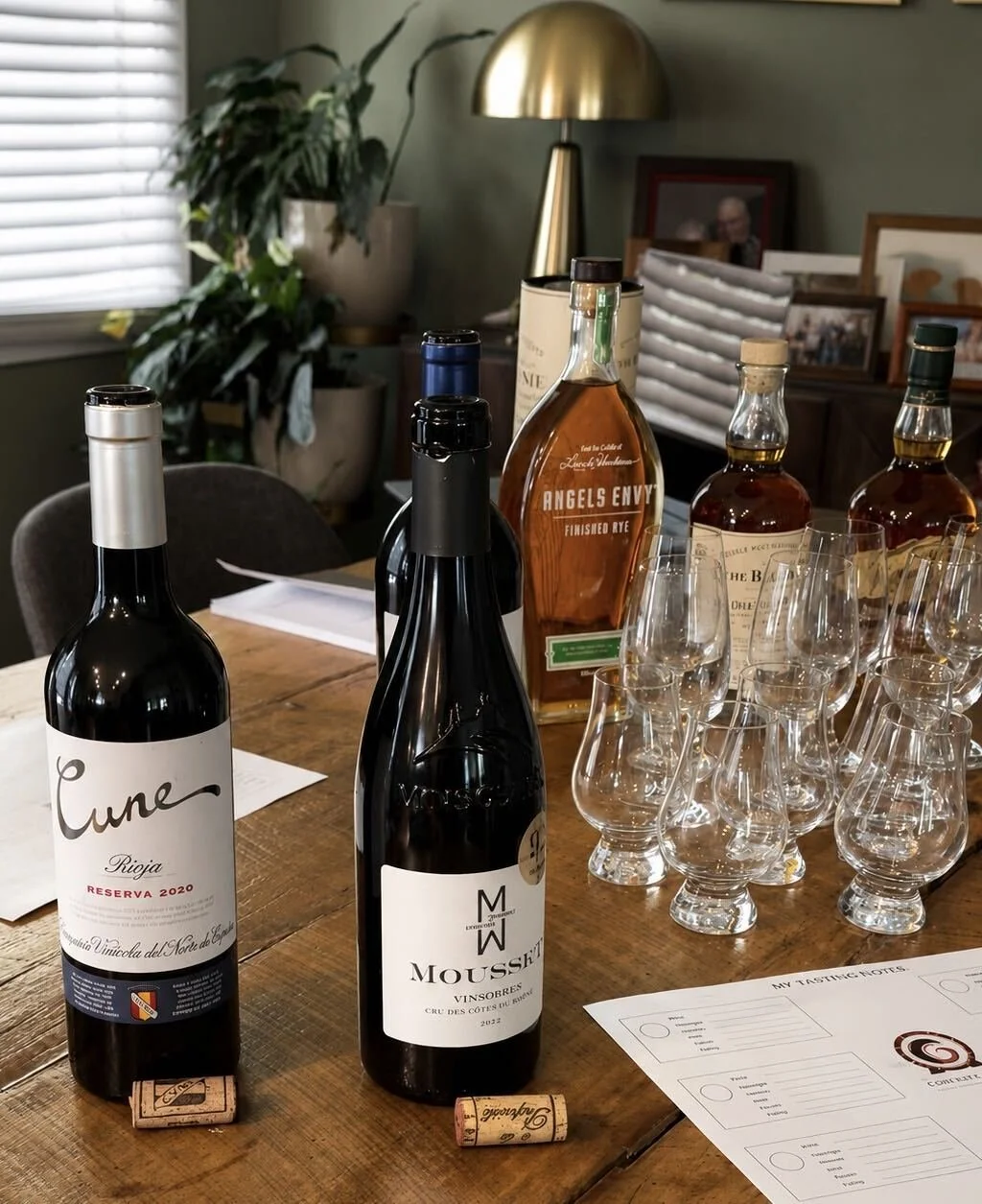
Because these pairings don’t just happen.
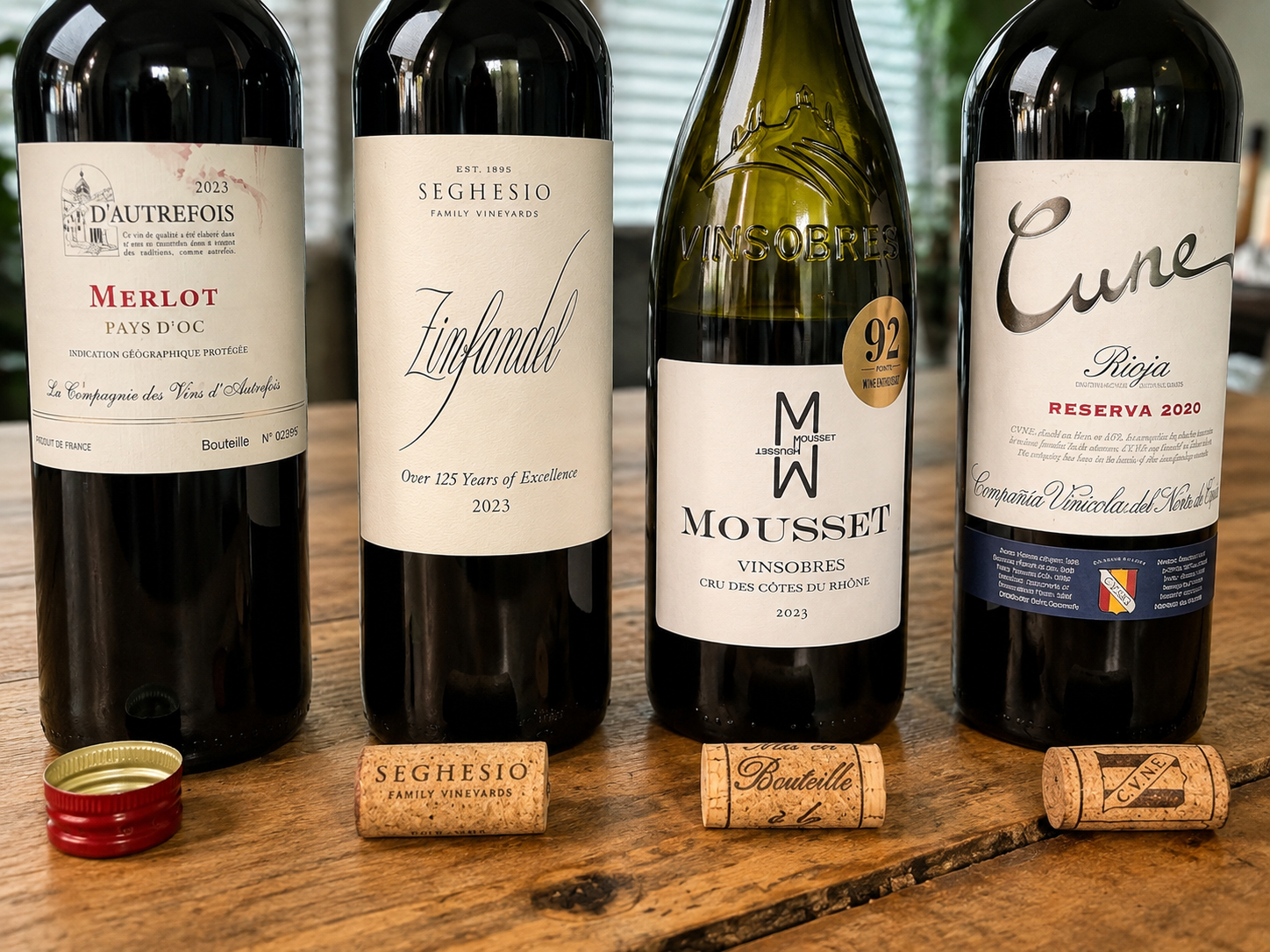
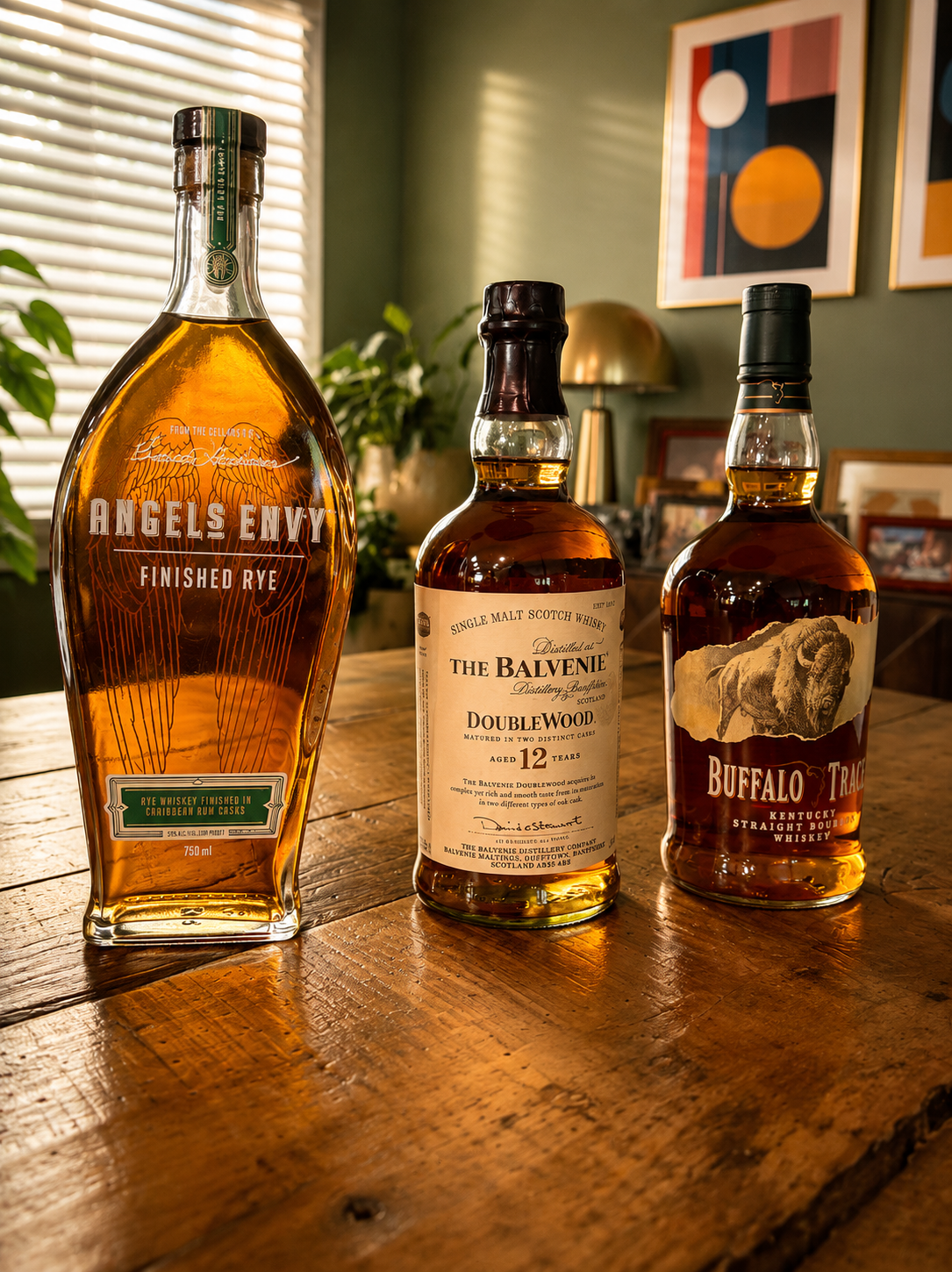
A good wine and a good whiskey don’t necessarily make a good pairing. We wanted to understand what each pour could reveal in the other. Sometimes that means finding something they share. Sometimes it’s the contrast that makes things interesting. And sometimes the best pairing is simply the one that makes you notice something you hadn’t tasted five seconds earlier.
That happened more than once.
With one bourbon and Rioja pairing, the bourbon seemed to mellow the wine while the Rioja pulled a grassy note from the whiskey that hadn’t been nearly as obvious on its own.
That’s the kind of moment we’re looking for.
Elsewhere, we found oak connecting a French wine and Scotch. A Zinfandel and finished rye built on one another’s sweetness and spice. Certain aromas became more noticeable after tasting the other pour. Flavors changed. Some combinations worked immediately. Others made us stop, go back and figure out exactly what was happening.
And somewhere between all of that tasting, the conversation became about much more than what was in the glass.
We talked about why limestone water matters in whiskey production and why there was a bottle of it sitting on our table. We talked about grapes aging in different vessels and how that goes into what the winemaker is looking to produce. We talked about places we’ve traveled, bottles we discovered there, and why some of those experiences helped shape what we wanted to pour for our guests.
Those stories matter to us just as much as the tasting notes.
One of my favorite discoveries of the afternoon, though, was a personal one. French wine has always carried a little intimidation factor for me. The regions, villages, appellations, classifications and labels can make it feel like there’s something you’re supposed to understand before you’re allowed to really appreciate what’s inside the bottle. Yesterday reminded me that I had that backward. You can start by simply tasting.
One of the French wines on the table was a Rhône blend, something I had never had before. It was approachable, complex, and beautifully balanced. I fell hard for it. That little discovery is exactly what excites me about these tastings.
You don’t need to know every region, grape varietal, barrel type, or tasting term before you sit down. Curiosity is enough.
That’s the experience we’re working toward at Cork and Copper. Of course there will be wine and whiskey on the table. We’re pretty excited about that part. But the pours are really just the beginning.
We want to tell you why they’re there. We want to share the stories behind them, give you a few things to look for, and then see what you discover. Maybe you’ll notice something we didn’t (spoiler, you will). Maybe a bottle you never would have ordered becomes the one you can’t stop thinking about. If you leave the table knowing something you didn’t know before, carrying a new story and thinking about a bottle a little differently than you did when you arrived, we’ve done our job.
And if you happen to leave with a new favorite bottle? Even better.
Cheers,