

Why WSET Path vs Sommelier
I’ve loved wine for a long time. I’ve traveled to wine regions, visited wineries, ordered bottles I knew nothing about simply because I wanted to try them, and gradually developed a pretty good idea of what I liked. Eventually I realized I didn’t just want to drink wine; I wanted to understand it.
Why does the same grape taste completely different depending on where it’s grown? Why does climate matter so much? What exactly am I tasting when I recognize something in a glass but can’t quite name it?
And here’s another question I still think about: why do we always choose the wine based on what we’re eating? If there’s a bottle you’ve been looking forward to opening, why not start there? Choose the wine first and decide what to cook or order that will make that bottle shine.
Those were the kinds of things I wanted to understand, and that curiosity led me to WSET.
WSET stands for the Wine & Spirit Education Trust, a globally recognized wine education organization based in London. Its wine qualifications progress through four levels, from the fundamentals at Level 1 to the Level 4 Diploma, or DipWSET. The focus is on understanding wine itself: grape growing, winemaking, regions, styles, quality and systematic tasting.
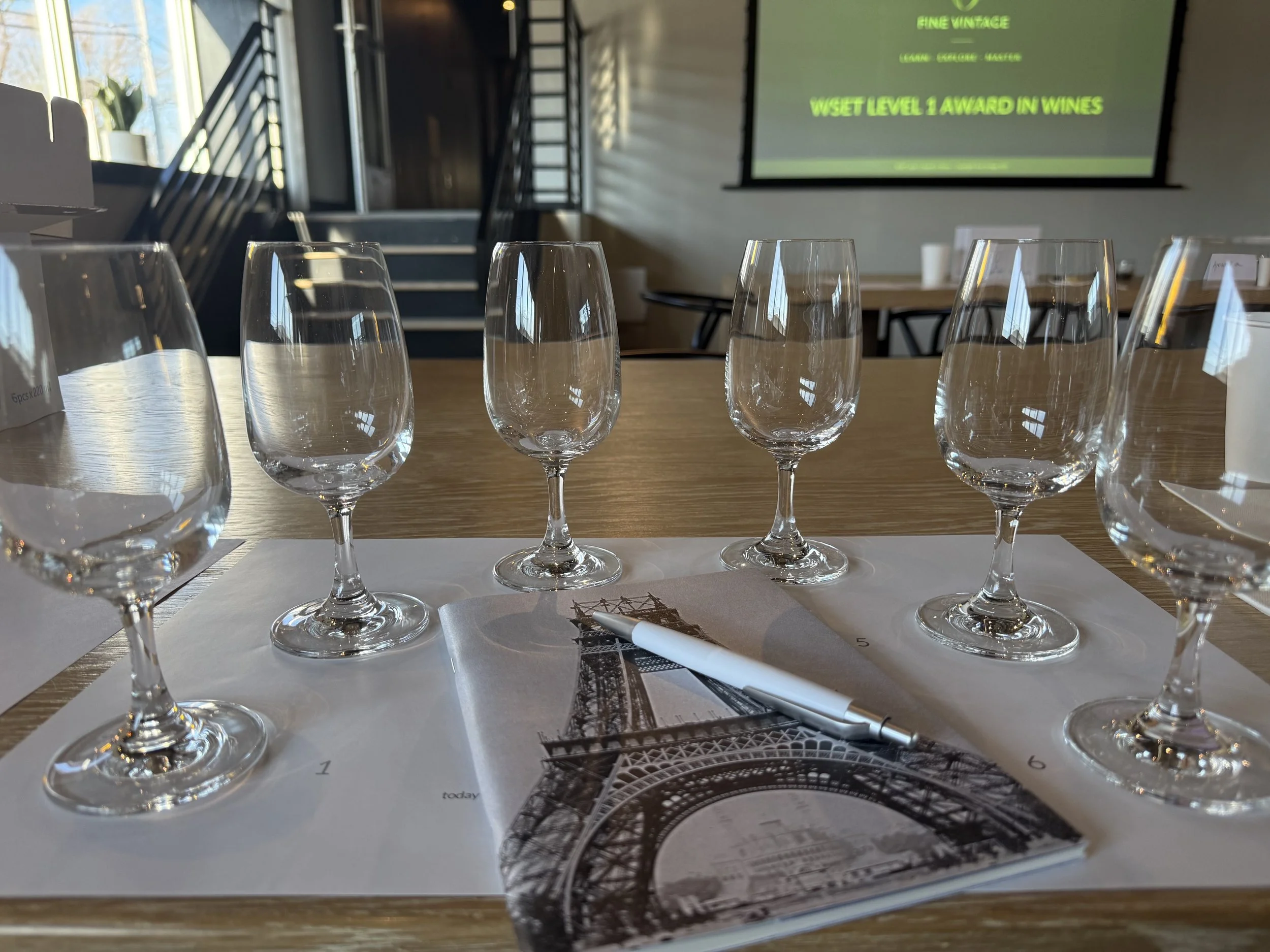
I started with WSET Level 1 in Wines. I wasn’t thinking about credentials or a long-term education plan. I simply wanted to learn more about wine, but once I took the first class, I knew I was all in.
I knew I wanted Level 2. I knew I wanted Level 3. And even then, I could see Level 4, the WSET Diploma, somewhere down the road. One day, I want to be able to put DipWSET after my name.
That isn’t a small goal. WSET says there are currently only around 14,500 Diploma alumni worldwide. The Level 4 Diploma is its expert-level wine qualification and represents a significant commitment of time, study and tasting. But that’s where I want this journey to go.
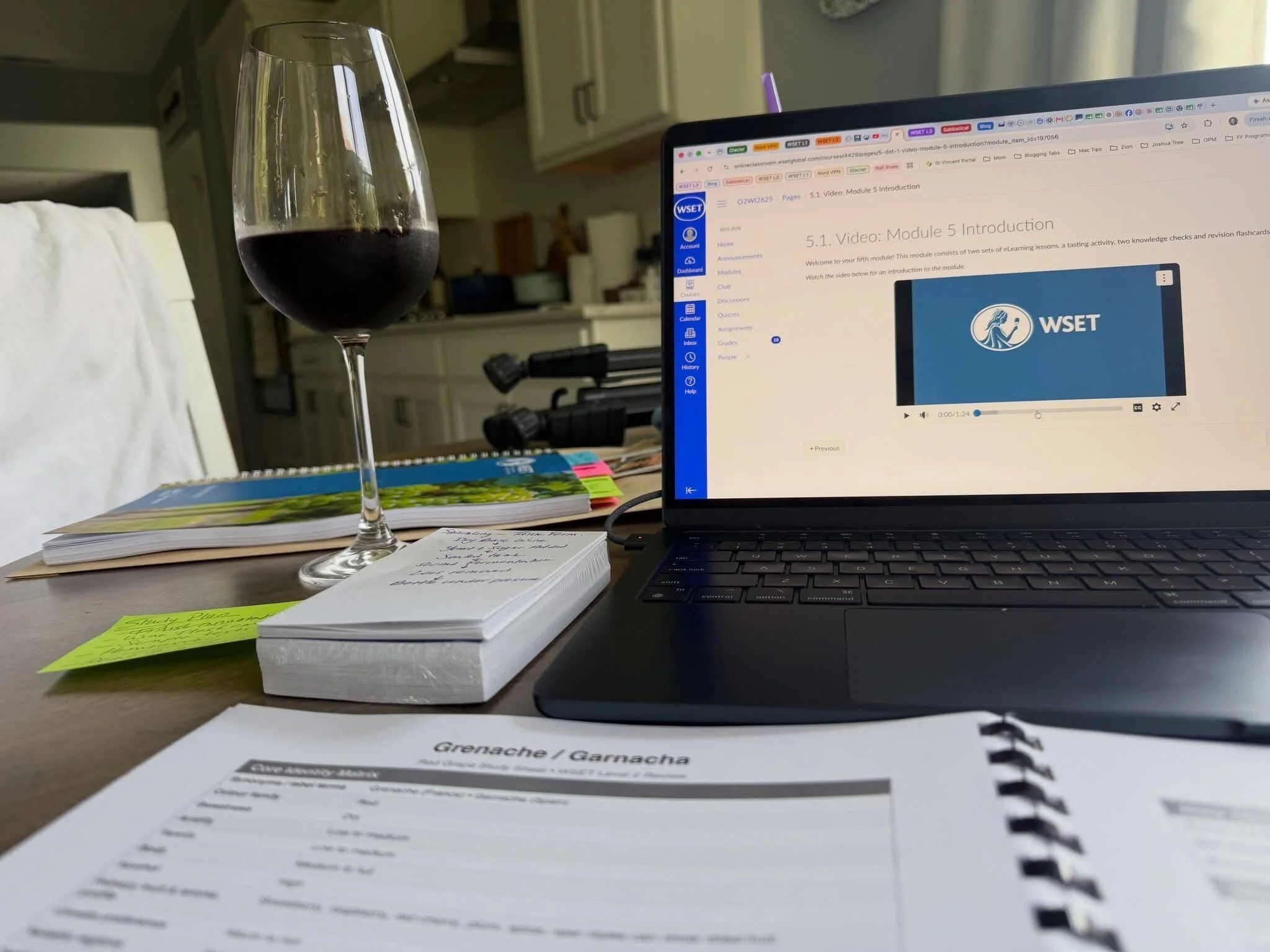
Why WSET and Not the Sommelier Route?
When people hear “wine education,” the word sommelier tends to come up pretty quickly. And there’s a reason for that. The sommelier path is highly respected and requires serious wine knowledge, particularly at the advanced levels. But it is also designed around restaurant and hospitality service, and that wasn’t what I wanted to do.
I wasn’t trying to learn restaurant wine service. I wanted to understand wine itself: grapes, regions, climate, viticulture, winemaking, styles, quality, food pairing and why what ends up in the glass tastes the way it does.
That doesn’t mean one path has more serious wine knowledge than the other. At the advanced levels, there is a great deal of overlap. DipWSET requires an extensive understanding of wine theory and tasting, while the sommelier route combines that knowledge with a much stronger emphasis on service and the restaurant environment.
WSET was simply a much better fit for the way I wanted to learn and, eventually, the way I wanted to use that knowledge.
Level 2 Changed More Than My Wine Knowledge
I completed WSET Level 2 in Wines, with Merit, last month and one of the things I didn’t expect was how much it would improve my geography.
Wine forces you to learn the world. You’re no longer simply memorizing that Chardonnay grows in Burgundy. You’re learning where Burgundy sits within France, how Chablis relates to the rest of Burgundy, why northern and southern regions experience different climates and how geography ultimately affects what ends up in your glass.
Then you move to Italy, Spain, Germany, Portugal, Australia, New Zealand, South Africa, Chile, Argentina, the United States, and now very much engrained in my palate, Croatia. Suddenly, places that used to be names on a bottle are actual places in your head. My geography knowledge may have improved more through wine than it ever did in school.
And traveling after studying wine is different, too. I’m writing this from Croatia, where I’ve spent the last few days drinking almost nothing but incredible local wines. Many of the grapes are unfamiliar. Some of the names still take me a minute to pronounce. And I have loved every second of learning about them.
There’s much more to come on Croatian wine in another Journal entry, because that experience deserves its own story. Stay tuned!
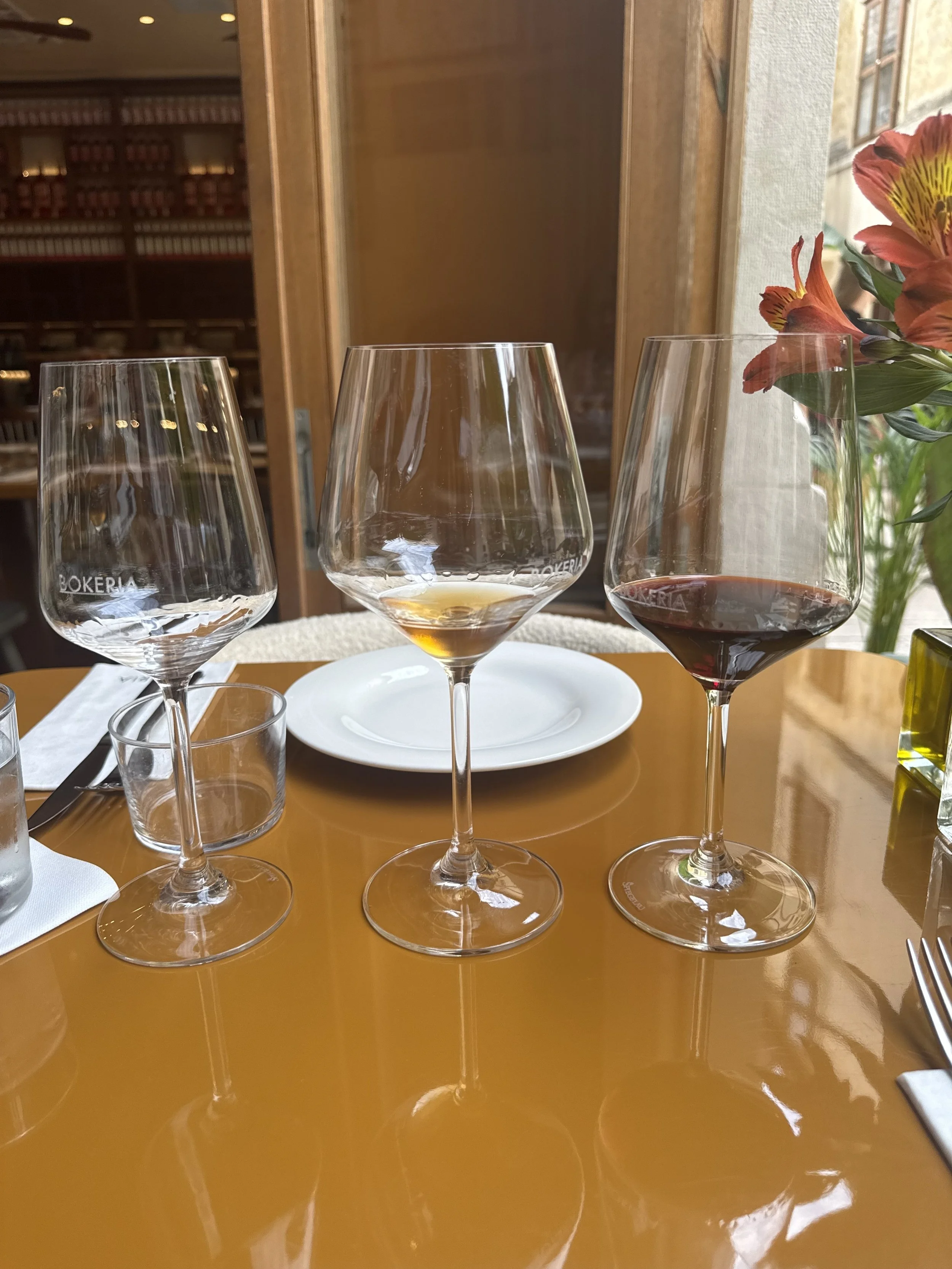
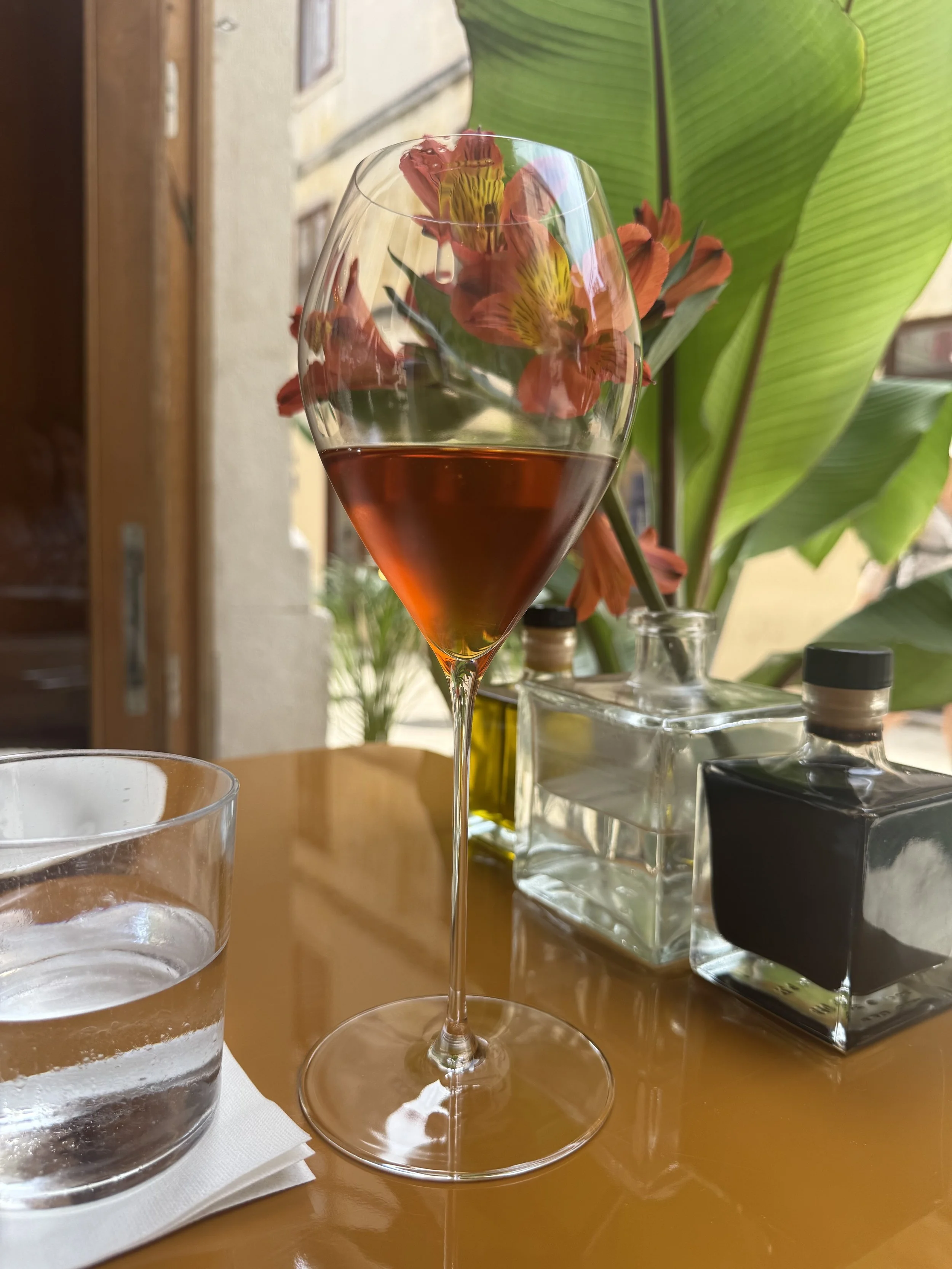
Studying Changes the Way You Taste
The biggest difference, though, is that I now think differently when there’s a glass of wine in front of me. I’m still drinking it because I enjoy wine, but somewhere in the background, my brain is now asking questions.
What’s the acidity like? How much body does it have? What fruit am I tasting? Is there oak? What might the climate have contributed? What does the finish tell me? And how does that second taste differ from the first? What new things am I noticing?
Earlier on this trip, I ordered an unlabeled house white with lunch in Athens. The server couldn’t tell me what it was. A few years ago, I probably would have decided whether I liked it and moved on. This time, I found myself working through it: very light aromas, honey at the beginning, citrus fruit, a stony finish, medium acidity and a light body.
I had a theory about what it might be. Was I right? Maybe. Maybe not, but that wasn't really the point. The fun was knowing how to think about what was in the glass.
Then Came Cork and Copper
The interesting part of this story is that WSET came before Cork and Copper. I didn’t start studying wine because Jerome and I were building a tasting and experiences business. I started because I was genuinely curious and wanted to learn more.
Cork and Copper came later, and suddenly something I had chosen entirely for myself had another purpose. Jerome and I believe that continuing our own education is an important part of bringing better experiences to our guests. He has gone deeper into whiskey through the Executive Bourbon Steward program, and I’m continuing down the WSET path.
But we don't want a Cork and Copper tasting to feel like a classroom. Quite the opposite; we want the knowledge behind the experience to make wine feel easier.
Wine can seem intimidating when the labels are unfamiliar, the regions are hard to pronounce and the tasting notes sound like another language. I want to help take away some of that enigma without taking away the wonder.
At Cork and Copper, I get to share what I’m learning in a way that feels welcoming and useful. Maybe you finally understand why you consistently prefer one style over another. Maybe you discover a grape you’ve never heard of. Maybe you learn why the wine you love tastes particularly good with something you’re eating. Or maybe you find a bottle that gives you a completely new moment of joy.
That is one of my favorite parts of what we do: watching someone taste something unexpected, light up with recognition and realize they’ve found a new favorite. And those discoveries are even better when they happen together.
A tasting is not just about learning what’s in the glass. It’s about sharing a table, comparing impressions, hearing what someone else notices and realizing there is no single “right” way to experience wine.
That sense of community is what makes Cork and Copper special to me. We can talk about grapes, regions and winemaking, but we can also laugh, ask questions, change our minds and enjoy the experience together. Or maybe you turn the whole pairing question around.
You have a bottle you’ve been saving, open it, then figure out what you’re having for dinner.
